

Have you ever been curious about the peculiar cartridge known as the 7.38×41? You’re not alone. This unique ammunition often leaves many wondering about its intricacies and applications. We’re here to demystify the 7.38×41 for you. In this text, we will explore everything from its foundational measurements to its place in modern firearms. Ready to immerse? Let’s pop the cap on this ammo bottle and spill the details.
7.38×41
To truly appreciate the 7.38×41 cartridge, we first need to understand what those numbers mean. Often, you’ll see cartridges listed with a similar numeric structure, but let’s break this one down. The first number, 7.38, refers to the diameter of the bullet in millimeters. In the realm of firearms, this measurement directly correlates to the bullet’s caliber, making it significant for shooting enthusiasts who want precision and accuracy.
Next, the 41 represents the cartridge case length, again measured in millimeters. So, the 7.38×41 is notably a medium-length cartridge, balancing power and size for a variety of firearms. Understanding these measurements helps us gauge the cartridge’s potential performance, including muzzle velocity and energy. In the hands of an experienced shooter, this knowledge becomes crucial to achieving better accuracy and shooting experience.
History and Development of the 7.38×41

Now that we know what the 7.38×41 measures, let’s stroll down memory lane and explore its history. This cartridge was developed during a fascinating period when firearms technology was rapidly advancing. It was part of an initiative to create versatile ammunition that could easily bridge different firearm platforms.
With origins dating back to the mid-20th century, its design aimed to address the needs of military and civilian markets. Developed initially for tactical scenarios, the 7.38×41 quickly caught the attention of weapon manufacturers. Before long, it became a staple for anyone who appreciated reliable performance without compromising on firepower. Over the decades, improvements have been made, but the core design has remarkably remained the same, a testament to its efficient engineering.
Applications of the 7.38×41 Cartridge
So where do we see the 7.38×41 cartridge in action? This versatile ammunition shines in various domains. From hunting to sport shooting, its applications are as diverse as the environments it’s used in.
Technical Specifications of the 7.38×41
When we investigate into the technical specifications, it becomes even clearer why this cartridge is favored by many. With a typical bullet weight of around 160 grains, it offers a commendable balance of speed and stopping power. The trajectory is flat, ensuring it performs well at both short and long distances, which is essential for precision in hunting scenarios.
Also, it’s designed to produce manageable recoil, making it accessible for a broad range of shooters. This combination of characteristics is why we often find the 7.38×41 perched neatly in the ammunition crates of both competitive shooters and casual hunters alike.
Comparative Analysis with Similar Calibers
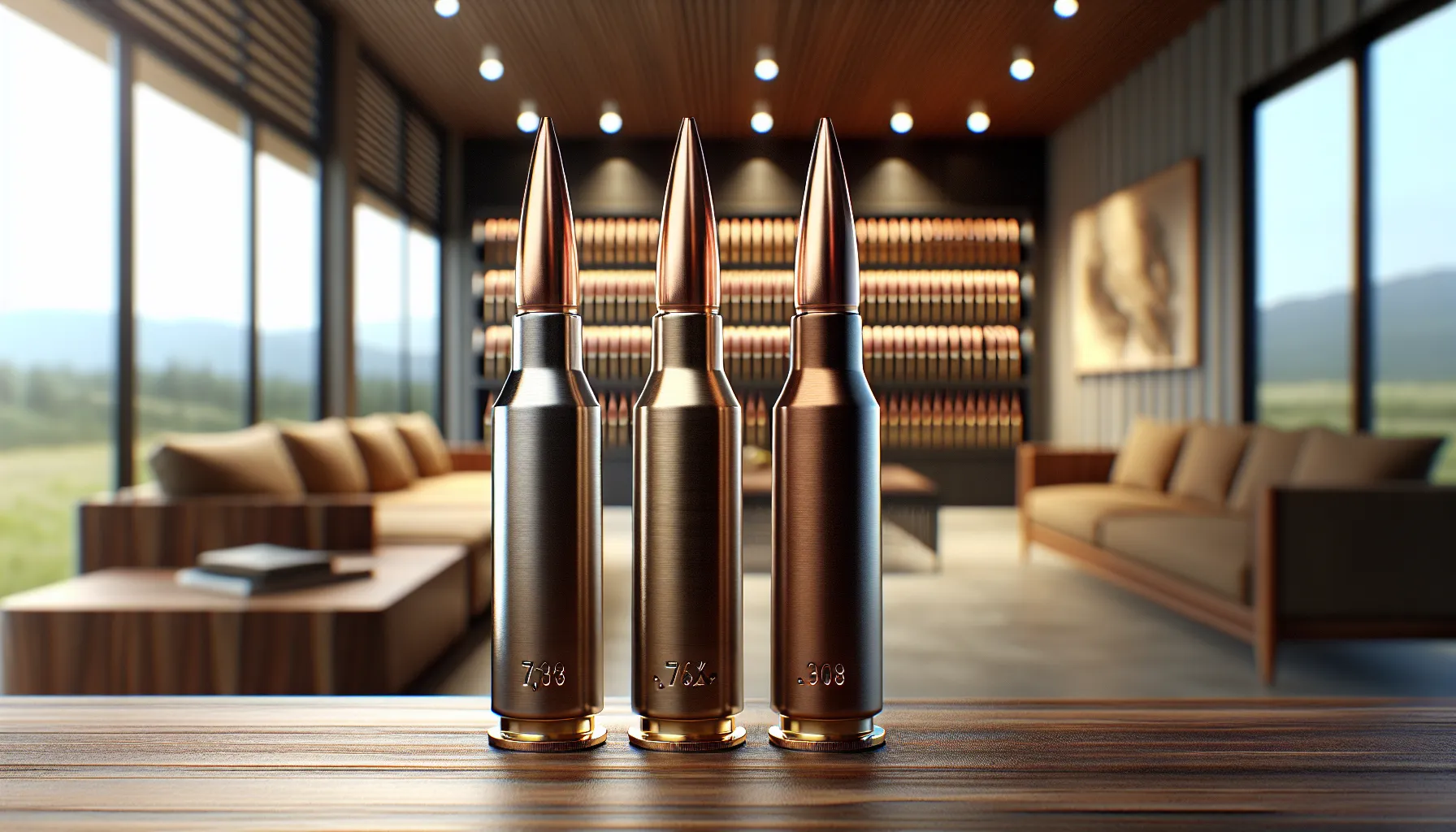
As we discover the realm of firearms, comparison is key. The 7.38×41 often finds itself alongside other popular cartridges such as the 7.62×39 or the .308 Winchester. But how does it hold up against these contenders?
While the 7.62×39 offers more punch and heavier projectiles, the 7.38×41 provides a flatter trajectory and is generally easier to manage in terms of recoil. In contrast, the .308 Winchester is lauded for its power and versatility but comes at the expense of increased recoil. For many, the 7.38×41 presents a middle ground, offering efficiency without overwhelming the shooter, a strong point for those just stepping into the world of firearms.
Advantages and Disadvantages of the 7.38×41
Every cartridge has its pros and cons, and the 7.38×41 is no exception.
On the plus side, it boasts versatility. Its lighter recoil makes it suitable for various shooting scenarios, from competitive events to recreational practices. Also, it has a good energy retention profile, which contributes to effective performance at longer ranges. But, it’s not all sunshine and rainbows. One drawback we’ve noted is that it might lack the stopping power typically desired for big-game hunting compared to some larger calibers. While it excels in performance, some users may find themselves seeking that extra oomph when hunting massive game.