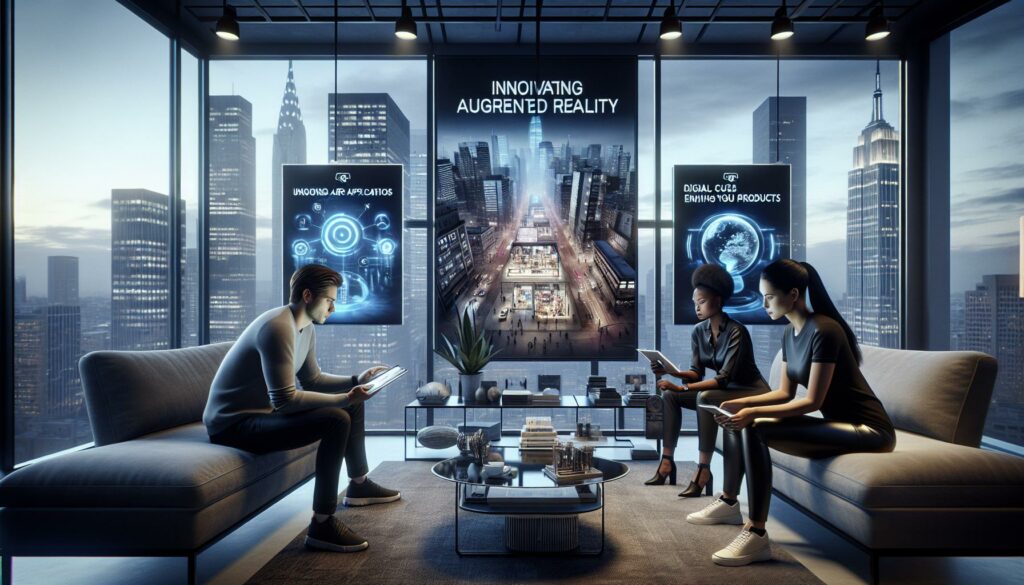

Gaming and entertainment are changing fast, thanks to augmented reality (AR) smart glasses that mix digital content with the real world. These wearable devices add interactive elements to what you see around you, creating immersive experiences impossible on regular screens. Your living room becomes a battlefield. Your coffee table hosts an entire strategy game. AR smart glasses are the next big thing in how we play and watch.
Tech giants and scrappy startups alike are building AR glasses that pack serious power into lightweight frames you can actually wear all day. We’ve moved past those clunky prototypes. Today’s devices fit into normal life without making you look like a cyborg. This mix of better hardware and creative software is opening new doors for gamers and anyone who loves entertainment. The same tech breakthroughs powering these gaming experiences are changing other digital activities too, including how users deposit with Mercado Pago at online casinos, which shows just how far digital innovation reaches across entertainment.
How AR Smart Glasses Transform Gaming Experiences
AR smart glasses completely rethink gaming by putting virtual stuff directly into your physical space. They don’t block out the world like VR headsets do. Instead, AR glasses enhance reality by adding digital layers that work with real objects. Game characters walk across your actual couch. Battles happen on your kitchen table. Puzzle pieces appear on your bedroom wall.
Modern AR glasses understand space in ways that seemed like science fiction a few years ago. Advanced sensors map your room, identify surfaces, and track how you move with impressive accuracy. Games adapt to whatever space you have available. This creates dynamic gameplay where every session feels different because each room offers its own possibilities. Your small apartment plays differently than your friend’s big house, and that’s the point.
The best part? These aren’t carefully staged demos anymore. People are actually playing this way at home, right now.
Key Gaming Features of AR Smart Glasses
- Real-time environmental mapping turns any room into a custom gaming arena, and the virtual objects you place stay where you put them between sessions
- Gesture-based controls let you play without holding a controller, using your hands and voice to interact naturally
- Multiplayer AR experiences let several people wearing glasses see the same virtual content in the same physical space at once
- Persistent game worlds remember where you left things, so your game picks up exactly where you stopped
- Integration with mobile ecosystems means your AR games can connect with your phone and tablet for richer cross-platform play
Entertainment Beyond Gaming
Gaming gets most of the attention, but AR smart glasses are changing how we consume all kinds of entertainment. Streaming services are building immersive viewing experiences where a virtual screen of any size floats wherever you want it. You can watch a show while cooking dinner, with the screen staying put no matter how you turn your head. Physical TVs start to seem limiting once you try this.
Social entertainment apps use AR glasses to bring remote friends together in virtual spaces. At concerts, you might see lyrics, artist facts, or synchronized visuals overlaying the live performance. Sports fans can pull up instant stats, player info, or different camera angles just by looking at the field during a game. It’s like having a personal commentator and production crew inside your glasses.
Comparison of Leading AR Smart Glasses
| Device | Field of View | Battery Life | Primary Use Case |
| Meta Quest 3 | 110 degrees | 2-3 hours | Mixed gaming and entertainment |
| Microsoft HoloLens 2 | 52 degrees | 2-3 hours | Enterprise and development |
| Magic Leap 2 | 70 degrees | 3.5 hours | Professional applications |
| Nreal Air | 46 degrees | 5+ hours | Media consumption |
Technical Innovations Driving AR Adoption
AR smart glasses work today because of breakthroughs in several tech areas at once. Miniaturized processors now pack desktop computing power into frames that sit on your nose. These chips handle complex real-time rendering, creating virtual objects with realistic lighting and shadows that match your actual room.
Displays have come incredibly far. Early AR used primitive single-color projections that looked like cheap holograms. Now we have full-color, high-resolution waveguide displays that stay transparent while showing vibrant digital content. Current AR glasses achieve brightness levels sufficient for outdoor use, fixing a problem that made earlier versions useless in sunlight. Batteries last longer without adding weight, though most devices still need charging after a few hours of heavy use.
Connectivity and Ecosystem Integration
5G networks give AR glasses the low-latency, high-bandwidth connections they need for cloud-based experiences. Your glasses can offload heavy processing to remote servers, which means less hardware crammed into the frames while still accessing huge content libraries and real-time multiplayer games. Edge computing brings that processing closer to you, cutting lag for responsive interactions.
Developers can now build AR experiences that work across different hardware models using cross-platform frameworks. This matters because it expands their potential audience and makes the development worthwhile. App stores for AR content are popping up, creating distribution similar to what made smartphone apps so successful.
The Future Landscape of AR Entertainment
Analysts expect AR smart glasses adoption to skyrocket over the next five years. Devices are getting lighter, cheaper, and less dorky-looking. Once people feel comfortable wearing them in public, AR will shift from a novelty to a normal way people consume entertainment. We’re not quite there yet, but we’re close.
AR combined with artificial intelligence will create personalized entertainment experiences that adapt to what you like, where you are, and who you’re with. Machine learning will pick content for you, adjust display settings automatically, and generate custom AR elements for specific moments. Some of this is already happening in basic forms.
Game developers are making titles built exclusively for AR platforms. These aren’t lazy mobile game ports. They’re experiences designed around spatial computing that couldn’t exist on a flat screen. Entertainment companies are investing in AR-native content formats that rethink storytelling for three-dimensional, interactive spaces where you participate instead of just watching.
AR smart glasses aren’t just a better screen. They’re a different way of interacting with digital content entirely. As the hardware improves and more content gets made, these devices will become as common as smartphones. That might sound like hype, but the technology is already good enough that early adopters are choosing AR glasses over traditional screens for certain activities. The question isn’t whether this will happen, but how fast.